 Afghanistan
  Albania
  Algeria
  Andorra
  Angola
  Antigua and Barbuda
  Argentina
  Armenia
  Australia
  Austria
  Azerbaijan
 Bahamas
  Bahrain
  Bangladesh
  Barbados
  Belarus
  Belgium
  Belize
  Benin
Benin  Bhutan
  Bolivia
  Bosnia and Herzegovina
  Botswana
  Brazil
  Brunei
  Bulgaria
  Burkina Faso
  Burundi
 Cambodia
  Cameroon
  Canada
  Cape Verde
  Central African Republic
  Chad
Chad  Chile
Chile  China
China  Colombia
  Comoros
  Congo
Congo  Congo (Dem. Rep.)
  Costa Rica
  Cote d'Ivoire
  Croatia
  Cuba
Cuba  Cyprus
  Czech Republic














































 Macau
Macau  Madagascar
  Malawi
  Malaysia
  Maldives
  Mali
Mali  Malta
Malta  Marshall Islands
  Mauritania
  Mauritius
  Mexico
  Micronesia
  Moldova
  Monaco
  Mongolia
  Montenegro
  Morocco
  Mozambique
  Myanmar
 Namibia
  Nauru
Nauru  Nepal
Nepal  Netherlands
  New Zealand
  Nicaragua
  Niger
Niger  Nigeria
  North Korea
  North Macedonia
  Norway
 Oman
Oman Pakistan
  Palau
Palau  Palestinian Territories
  Panama
  Papua New Guinea
  Paraguay
  Peru
Peru  Philippines
  Poland
  Portugal
 Qatar
Qatar


 Saint Kitts and Nevis
  Saint Lucia
  Samoa
Samoa  San Marino
  Sao Tome and Principe
  Saudi Arabia
  Senegal
  Serbia
  Seychelles
  Sierra Leone
  Singapore
  Slovakia
  Slovenia
  Solomon Islands
  Somalia
  South Africa
  South Korea
  South Sudan
  Spain
Spain  Sri Lanka
  St. Vincent and the Grenadines
  Sudan
Sudan  Suriname
  Sweden
  Switzerland
  Syria
Syria Taiwan
  Tajikistan
  Tanzania
  Thailand
  Timor-Leste
  Togo
Togo  Tonga
Tonga  Trinidad and Tobago
  Tunisia
  Turkmenistan
  Tuvalu
  Türkiye








 Yemen
Yemen

No passport matches your search.
South Korean passport
Visa-free countries & entry requirements · October 2026
As of October 2026, the South Korean passport grants access to 136 destinations completely visa-free or with a simple online eTA registration. A further 60 countries are reachable via visa on arrival or eVisa — no embassy visit needed. Access is strongest in Africa and Europe. This covers all 29 Schengen area member countries.
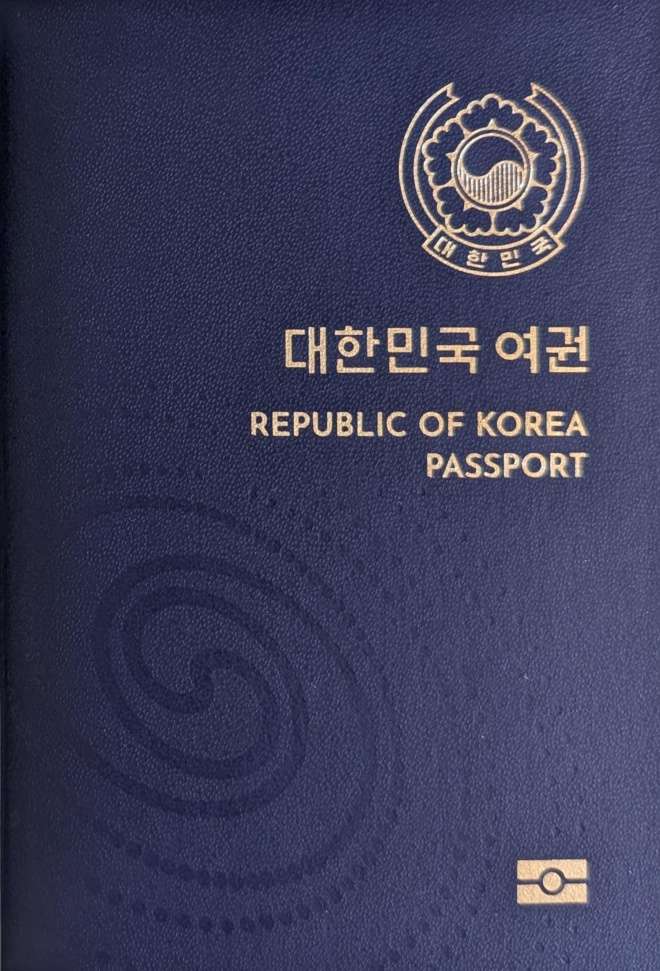
Where the South Korean passport takes you
Visa rules for South Korean citizens, country by country
210 of 210 shown
No destination matches.
South Korean passport questions
As of 14 October 2026, South Korean citizens can travel visa-free to 125 countries and territories: Albania, Andorra, Angola, Anguilla, Antigua and Barbuda, Argentina, Armenia, Aruba, Austria, Azerbaijan, Bahamas, Barbados, Belarus, Belgium, Belize, Bermuda, Bolivia, Bosnia and Herzegovina, Botswana, Brazil, Brunei, Bulgaria, Chile, China, Colombia, Costa Rica, Croatia, Curaçao, Cyprus, Czech Republic, Denmark, Dominica, Dominican Republic, Ecuador, El Salvador, Estonia, Eswatini, Fiji, Finland, France, Georgia, Germany, Greece, Grenada, Guadeloupe, Guatemala, Guyana, Haiti, Honduras, Hong Kong, Hungary, Iceland, Ireland, Italy, Jamaica, Japan, Kazakhstan, Kiribati, Kosovo, Kyrgyzstan, Laos, Latvia, Lesotho, Liechtenstein, Lithuania, Luxembourg, Macau, Malaysia, Malta, Martinique, Mauritius, Mexico, Micronesia, Moldova, Monaco, Mongolia, Montenegro, Montserrat, Morocco, Netherlands, Nicaragua, North Macedonia, Norway, Palestinian Territories, Panama, Paraguay, Peru, Philippines, Poland, Portugal, Romania, Russian Federation, Saint Lucia, Saint Martin, San Marino, Sao Tome and Principe, Senegal, Serbia, Singapore, Sint Maarten, Slovakia, Slovenia, South Africa, Spain, St. Vincent and the Grenadines, Suriname, Sweden, Switzerland, Taiwan, Tajikistan, Thailand, Trinidad and Tobago, Tunisia, Türkiye, Turks and Caicos, Ukraine, United Arab Emirates, Uruguay, Uzbekistan, Vanuatu, Vatican City, Venezuela, Viet Nam, Virgin Islands (British), and Zambia.
As of 14 October 2026, South Korean citizens need an eTA for 11 countries and territories: Australia, Canada, Israel, Kenya, Mozambique, New Zealand, Saint Kitts and Nevis, Seychelles, Sri Lanka, United Kingdom, and United States of America.
As of 14 October 2026, South Korean citizens can get a visa on arrival in 37 countries and territories: Bahrain, Bangladesh, Burundi, Cambodia, Cape Verde, Comoros, Cote d'Ivoire, Djibouti, Egypt, Ethiopia, Guinea-Bissau, India, Indonesia, Jordan, Kuwait, Lebanon, Madagascar, Malawi, Maldives, Marshall Islands, Myanmar, Namibia, Nepal, Oman, Pakistan, Palau, Qatar, Rwanda, Samoa, Saudi Arabia, Sierra Leone, Solomon Islands, Tanzania, Timor-Leste, Tonga, Tuvalu, and Zimbabwe.
As of 14 October 2026, South Korean citizens can apply for an eVisa for 23 countries and territories: Afghanistan, Benin, Bhutan, Burkina Faso, Chad, Congo (Dem. Rep.), Cuba, Equatorial Guinea, Gabon, Ghana, Guinea, Iran, Iraq, Liberia, Libya, Mauritania, Nigeria, Papua New Guinea, South Sudan, Syria, Togo, Turkmenistan, and Uganda.
As of 14 October 2026, South Korean citizens need a visa for 14 countries and territories: Algeria, Cameroon, Cayman Islands, Central African Republic, Congo, Eritrea, Gambia, Mali, Nauru, Niger, North Korea, Somalia, Sudan, and Yemen.
Visa rules are checked against government sources and updated daily; the rules for the South Korean passport were last changed on 14 October 2026. Before booking or traveling, always confirm the latest entry requirements with the official immigration authority, embassy, or consulate of your destination.